Societies Registration Act, 1860
Issued by
District Registrar, Kozhikode
Government of Kerala Reference KKD/CA/33/2025
Government of Kerala Reference KKD/CA/33/2025
More than six decades of preserving Kalaripayattu in its traditional form.
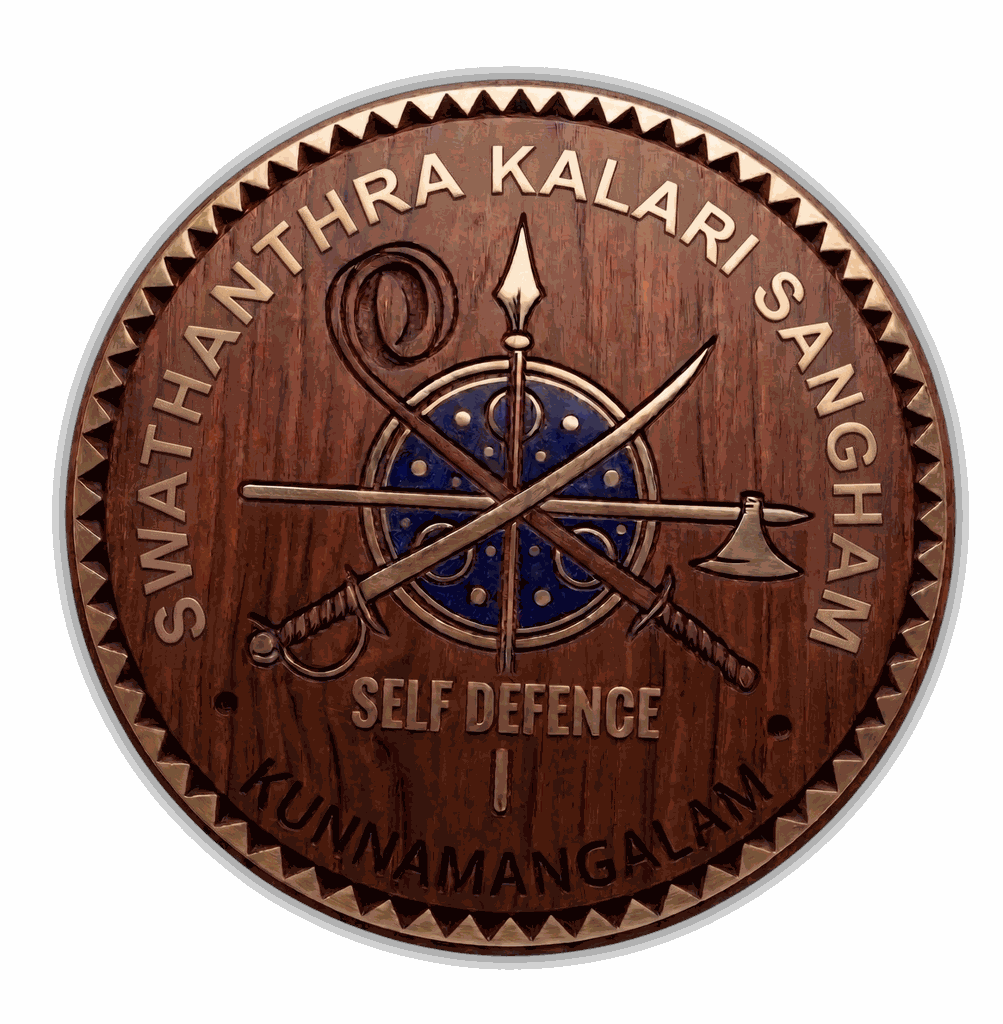
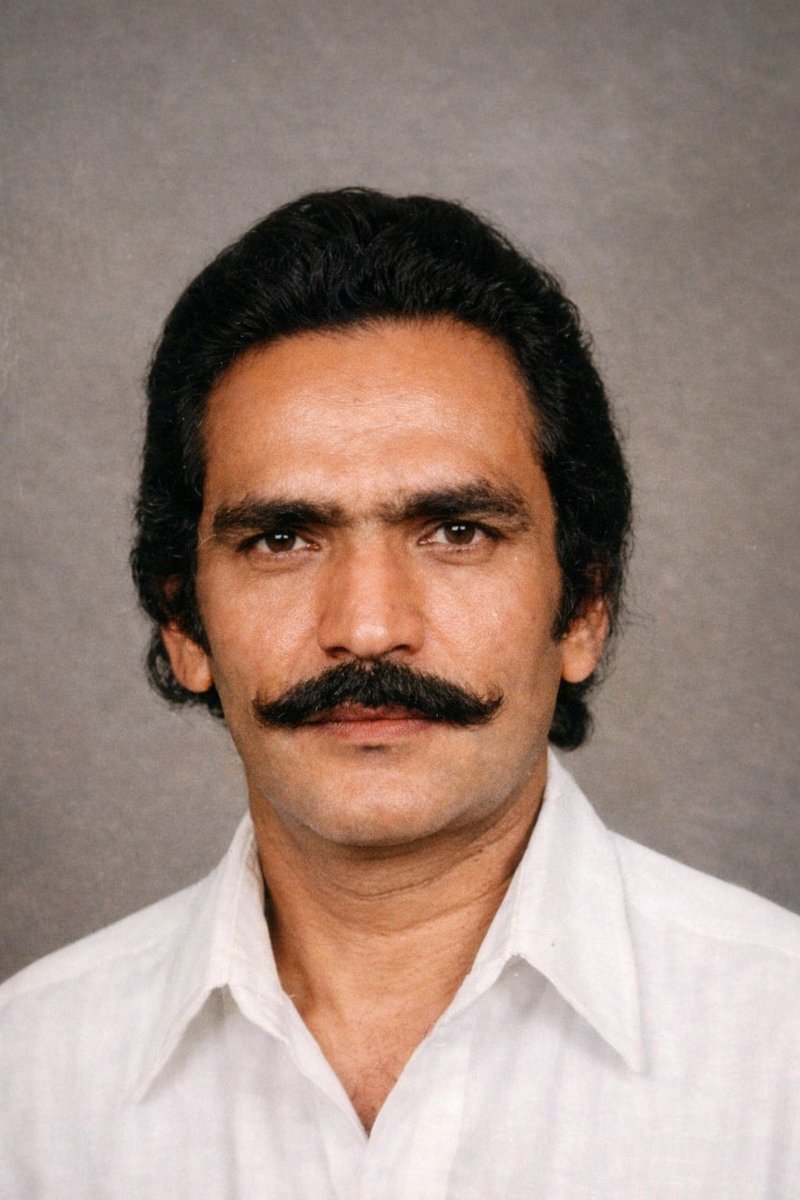
Swathanthra Kalari Sangham - SKS - was formed in 1959 at Thamarassery by Ustad TP Kalandan Gurukkal, a master who committed his life to the faithful transmission of traditional Kalaripayattu.
In 1963, the people of Kunnamangalam invited the Ustad to establish a kalari in their community. He accepted, and later that same year settled SKS's permanent training centre at Anappara, Kunnamangalam, in the Kozhikode district of Kerala - where it has operated continuously ever since.
For over six decades SKS has stood as a place where the old ways of training are kept alive: the earthen floor, the oil massage, the daily practice, and the unbroken bond between teacher and student. The kalari today is led by TP Dakwan Gurukkal, the son of the founder.
The earthen floor, the oil massage, the daily practice, and the unbroken bond between teacher and student - kept exactly as it was.
The founding milestones of SKS - recorded in acknowledgement of those whose contributions made it possible.
Swathanthra Kalari Sangham is formed at Thamarassery, marking the beginning of what would become one of Kerala's enduring institutions for the preservation and training of Kalaripayattu.
In acknowledgement of its service to society and its role in preserving Kerala's martial heritage, SKS receives its first grant from the Government of Kerala - within two years of its formation.
Prominent members of the Kunnamangalam community approach the Ustad and invite him to establish a kalari in their locality. He accepts. One of them offers a parcel of land, and on that space the first training centre is built and run by the Ustad - making SKS's arrival in Kunnamangalam possible.
Later in the same year, the Ustad purchases his own property at Anappara, Kunnamangalam, builds a home there, and establishes SKS's permanent training centre - which has operated continuously since, and remains SKS's home today.
The Government of Kerala awards a second grant to SKS, further affirming its contribution to society and its role in the preservation of Kalaripayattu.
In the years that followed, kalaris were established at several locations across the region, and generations of students have trained under SKS's lineage. This record acknowledges the foundational contributions of the people of Kunnamangalam, whose initiative brought SKS to this soil; of the Government of Kerala, whose early recognition affirmed its service to society; and of the Ustad, whose vision carried the tradition from Thamarassery to its permanent home at Anappara.
SKS operates with the formal recognitions and affiliations of a registered cultural institution - at the local, state, and government levels.
Abdurahiman Kutty Gurukkal worked shoulder-to-shoulder with Ustad TP Kalandan Gurukkal through the growth and advancement of SKS. His role in SKS's success was immense.
On Kalaripayattu demonstration stages, the partnership of Kalandan Gurukkal and Abdurahiman Kutty Gurukkal delivered truly astonishing performances - remembered by those who witnessed them.
Son of the founder, TP Dakwan Gurukkal carries forward the discipline and teaching of his father. Under his guidance SKS continues in the same traditional manner his father established.
He still trains daily and personally teaches every student who enters the kalari.
Alongside training, SKS preserves Marma Chikitsa - the ancient system of therapeutic treatment built on knowledge of the body's vital points (marma). It has always travelled with Kalaripayattu, used for centuries to address injuries, nerve strain, and musculoskeletal conditions the tradition itself produces.
Ustad TP Kalandan Gurukkal was a practitioner of Marma Chikitsa, and taught the knowledge to his family. His wife, TP Ummayya Kutty Gurukkal, learned from him and provided treatments to women and girls for decades - a vital service in a tradition where a woman's care is often only possible from another woman. She is now retired from practice, but her decades of work are part of SKS's living memory.
The practice continues today through TP Dakwan Gurukkal and TP Ramla Gurukkal - the current generation carrying forward both the martial and the healing sides of the tradition. The founder's eldest daughters, TP Najma and TP Hafsa, also learned the treatment knowledge from their mother and the kalari discipline from their father, and maintain the practice to this day.
SKS's tradition is carried forward today by the next generation of TP Dakwan Gurukkal's family - and by students who have earned the title of Gurukkal through years of disciplined practice. Some teach here at the kalari; others now lead kalaris of their own.

Son of TP Dakwan Gurukkal - actively manages the training centre. Trained by his father from childhood, he continues to practise and performs at events alongside the Gurukkal.
Elder daughter of TP Dakwan Gurukkal - trained by her father and continues the practice, carrying forward the family's discipline.
Younger daughter of TP Dakwan Gurukkal - trained by her father and continues the practice, carrying the tradition into the next generation of the family.
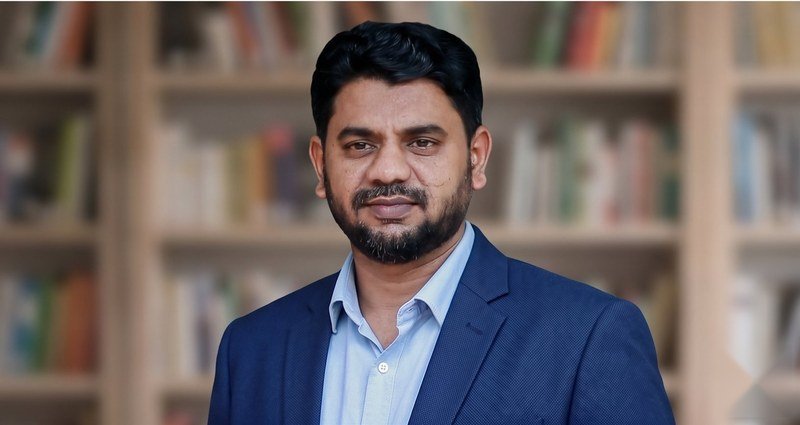
Began training at SKS in 1997. Through nearly three decades of disciplined practice under TP Dakwan Gurukkal, he earned the title of Gurukkal and now teaches at SKS - a source of pride, and living proof that the lineage extends beyond blood.
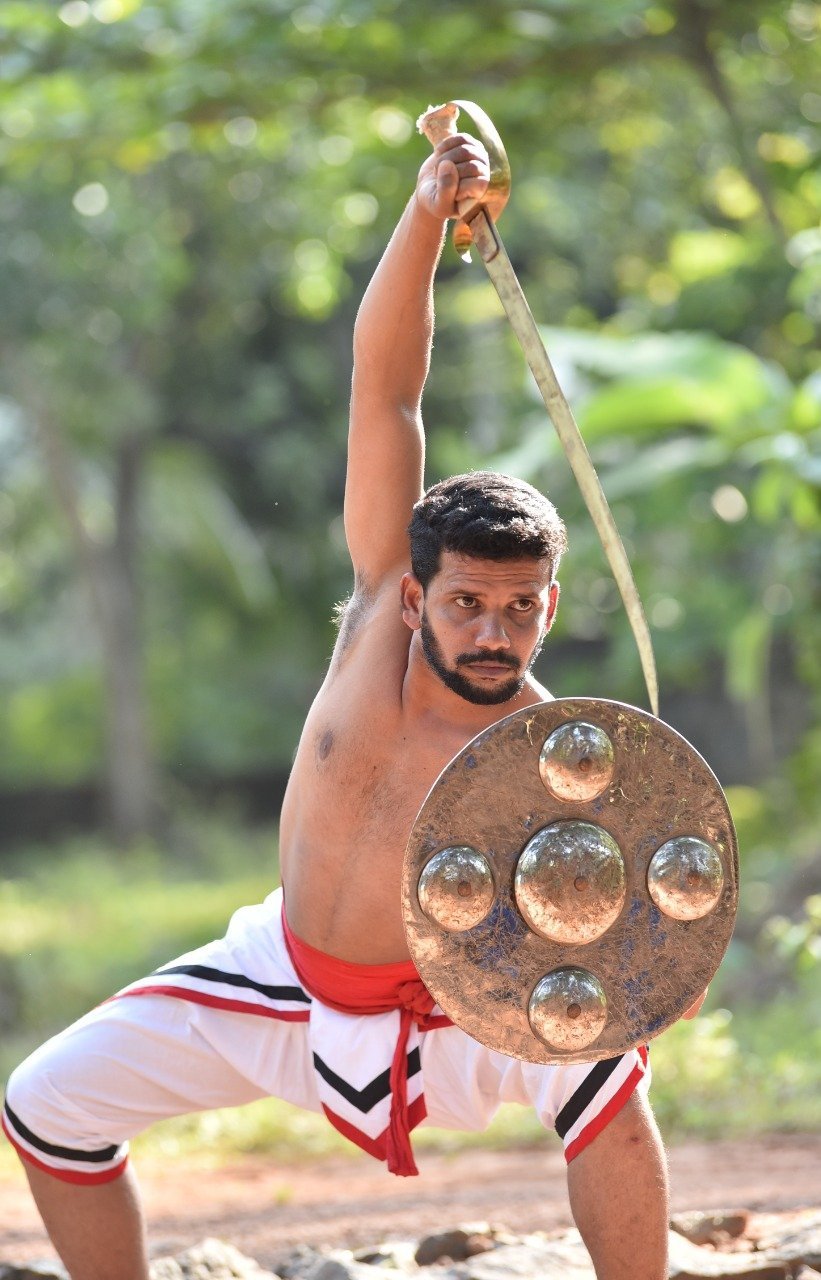
Inspired by Ustad TP Kalandan Gurukkal, his wish to start his own kalari was fulfilled by TP Dakwan Gurukkal - who trained him in unique kalari techniques. He now leads K.G.S. Kalari Sangham at Anakkuzhikkara. Read his achievement →
Strength, flexibility, and precise control - built patiently over years through traditional conditioning and postures.
Focus, composure, and awareness - qualities cultivated inside the kalari that quietly transform every other part of life.
Respect for the teacher, the ground, and those who came before - the binding thread of every traditional kalari.